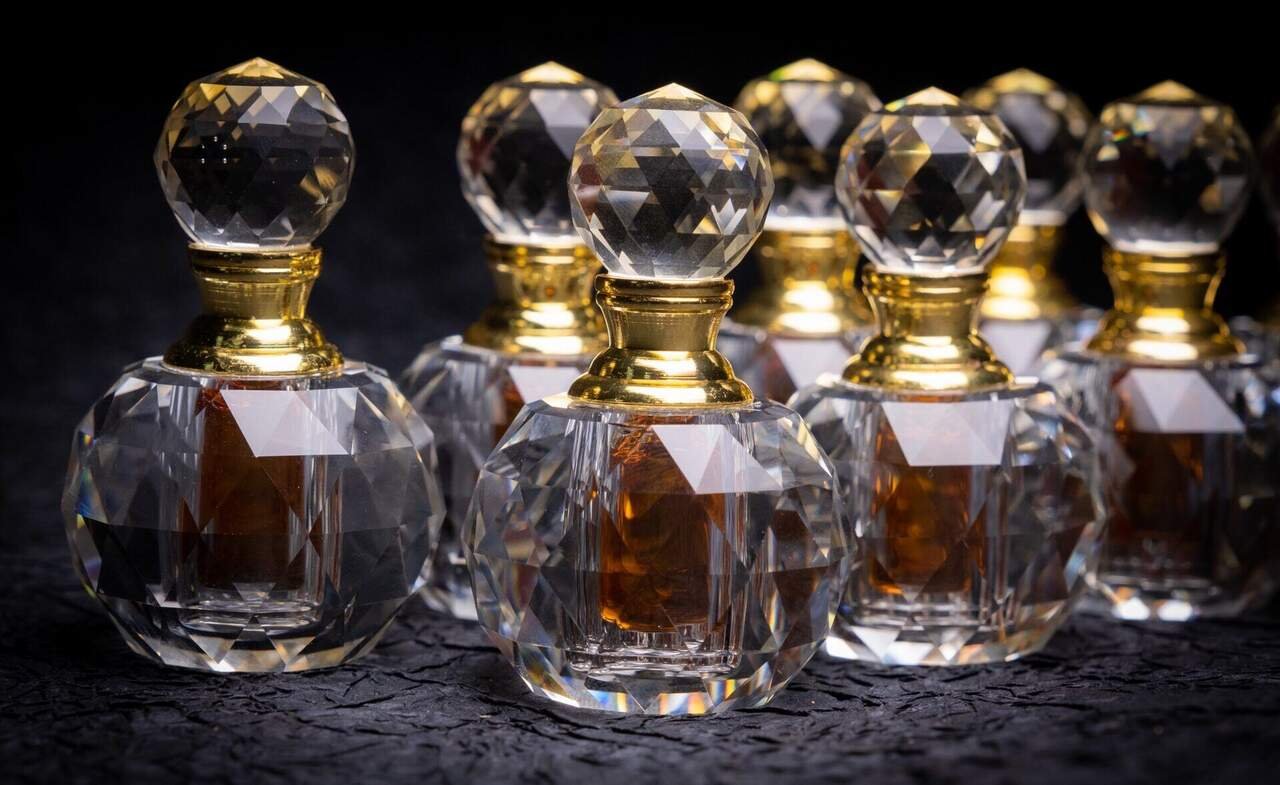
Oud Essential Oil 2026: Extraction Methods, GC-MS Testing and Wholesale Buying
Pure oud essential oil — also marketed as agarwood essential oil in the international perfumery trade — feeds two markets that took off after 2020. The first is niche perfumery, where it serves as the base note holding together anything in the upper price tier. The second is metaphysical wellness, where it has become the go-to oil for meditation supply houses and contemplative-wellness brands. Both segments pay premium prices, and both will quietly drop a brand the moment a chemistry test exposes a cut. This 2026 guide covers how oud oil actually gets extracted (hydro-distillation vs supercritical CO₂), how to read a GC-MS report, and how to dodge the adulterated stock that floods most B2B sample boxes.

Written by
Founder & Chief Sourcing Officer, AgarwoodTown
15+ years hands-on experience grading plantation agarwood, sourcing directly from Dianbai and Maoming districts in Guangdong — the world's largest Aquilaria sinensis cultivation region. Wang has personally inspected thousands of CITES export shipments and holds plantation certification from China's National Forestry and Grassland Administration. He advises GCC, European and East Asian wholesale buyers on grade selection, CITES compliance and supply chain due diligence.
CITES Certified
In this article
What Is Oud Oil? Quick Definition
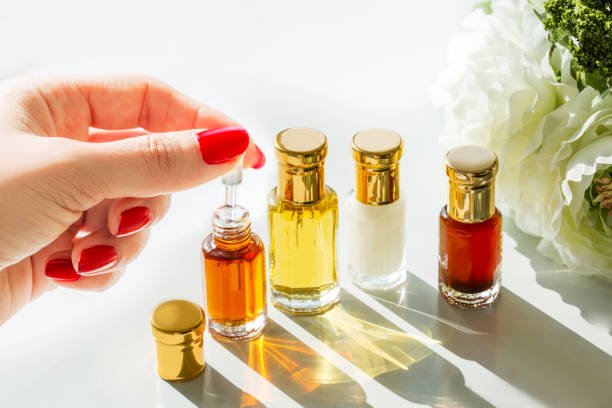
Oud oil (also called agarwood essential oil or oud essential oil) is the aromatic oil distilled or solvent-extracted from the resin-saturated heartwood of Aquilaria trees. The word oud itself comes from Arabic al-ʿūd (العود), which simply means "the wood." That same root has been used across the GCC for centuries to name both the burnable resinous wood and the oil pressed from it.
Genuine pure oud oil sits among the world's most expensive aromatic raw materials. Hydro-distillation yields run 0.05–0.2% by weight.[1] Supply moves under CITES Appendix II export controls, and the signature scent comes from sesquiterpenes (β-agarofuran, agarospirol, jinkoh-eremol) and 2-(2-phenylethyl)chromone derivatives concentrated in the resin. Wholesale tola pricing starts around $20 for diluted commercial blends and climbs past $5,000 for verified wild-origin material.
Reading the Sesquiterpene Profile
A GC-MS chromatogram of agarwood essential oil shows three diagnostic compound families: sesquiterpene hydrocarbons (γ-eudesmol, agarospirol), oxygenated sesquiterpenes (jinkohol, jinkohol-eremol), and 2-(2-phenylethyl)chromones. Authentic Aquilaria sinensis oil will show all three families in identifiable proportions. If your sample shows isolated synthetic isolates (e.g. pure benzyl benzoate or DEP plasticizer peaks dominating), it has been cut with carrier oil or fragrance synthetics.
For wholesale buyers searching "agarwood essential oil" or "agarwood oil wholesale", the product specifications and chemistry are identical to oud oil — only the trade name differs. Sourcing teams in the US, EU and Asian markets typically use "agarwood" terminology while GCC and luxury perfumery houses use "oud."
1. The Global Market Outlook for Authentic Agarwood Oil
Demand for high-grade agarwood essential oil has roughly doubled between 2018 and 2026, driven less by the traditional Middle Eastern attar trade (which has been steady for centuries) and more by two newer segments that did not exist at scale a decade ago.
Niche Perfumery and Metaphysical Wellness
Almost every major niche perfume house now runs an Oud collection. Tom Ford's Oud Wood (2007) opened the segment to Western buyers; Maison Francis Kurkdjian, Initio, Amouage and By Kilian followed. The base note is doing structural work — it fixes the lighter top and heart notes from evaporating, which is what lets a perfumer charge $300+ for a 50 ml bottle and have it still wear at 12 hours.
Outside fine fragrance, the spiritual and metaphysical wellness segment has become a real volume buyer. Pure oud is the standard fragrance ingredient for meditation supply houses, contemplative-practice brands and aromatherapy lines in Western wellness studios, a niche that did not exist commercially in 2015 and that now accounts for a meaningful slice of small-volume direct-to-consumer oud sales out of the US, UK and Australia.
For brands targeting either segment, securing a verified agarwood oil wholesale supplier is no longer about getting the lowest unit price, it is about not having a chemistry test blow up your launch.


How Cultivated Agarwood Reshaped the Wholesale Supply Chain
Until roughly 2010 the entire industry ran on wild agarwood, and that meant any brand building a perfume line around a specific origin could see its supply die overnight when a single forest source got picked clean. Predictable cost-of-goods was effectively impossible.
Plantation production changed that. Grafting Kynam-line scions onto Aquilaria sinensis rootstocks, combined with the 5-stop physical drilling induction protocol, lets a Guangdong plantation deliver chips with a resin profile close enough to wild that the GC-MS panels overlap on the key sesquiterpenes. Yield is roughly 100× higher than wild, lead time is months instead of decades, and the chips ship under CITES Appendix II permits with traceable plantation-origin paperwork. For the full breakdown of how plantation agarwood is grown and processed, see our 2026 plantation oud guide.
2. Pure Oud Oil Extraction: Hydro-Distillation vs Supercritical CO₂
Two methods produce 95%+ of the world's pure oud essential oil: traditional hydro-distillation and modern supercritical CO₂ extraction. They yield different oils, not better or worse, just different — and your end product determines which method you should be specifying on the PI.

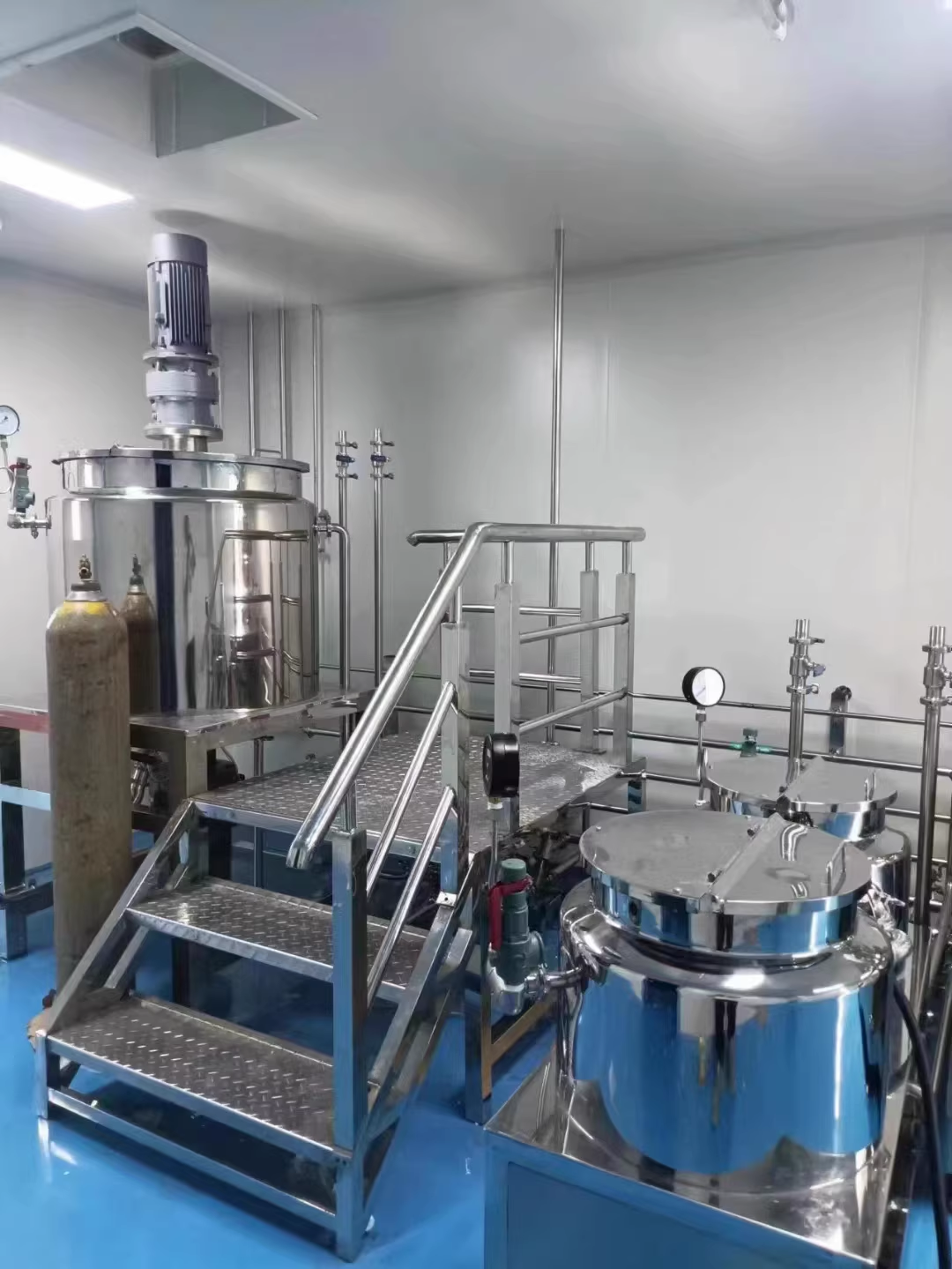
Hydro-Distillation vs Supercritical CO₂ at a Glance
| Feature | Hydro-Distillation (Traditional) | Supercritical CO₂ (Modern) |
|---|---|---|
| Aroma profile | Deep, rich, slightly smoky, with leathery and animalic undertones | True-to-wood, clean, vibrant — captures the raw resin's exact scent |
| Yield from chips | Very low (0.05–0.2% by weight) | Higher (1–5% by weight) |
| Production cost | Extremely high — labour and time-intensive | High — requires industrial CO₂ pressure equipment |
| Best fit | Traditional attars, GCC perfumery, spiritual rituals | High-end niche perfumes, kynam preservation, modern aromatherapy |
| Environmental load | High water and fuel consumption per batch | CO₂ recycled at 95%+ recovery; lower energy, zero solvent residue |
Both methods produce genuine, pure agarwood essential oil. Spec the method that matches your target market, not the one with the prettier story.
3. The Art of Hydro-Distillation: Producing Pure Oud Essential Oil by Hand
Hydro-distillation is the oldest way to extract oud essential oil and the method that gives you the deep, animalic, leather-edged character GCC and South Asian markets actually want. It is slow and labour-intensive, every reputable distillery still does most of it by hand because nobody has worked out how to automate the parts that actually decide quality.
Why Manual Sorting Beats the Machine
The result is not really decided in the still — it is decided by what enters the still. A copper deg running 72 hours can give you the most prized attar in the world, or muddy oil that smells of burnt sapwood, depending entirely on what was loaded.
That is why our distillery refuses fully automated chip preparation. Trained operators sort raw Aquilaria sinensis material by hand, separating dark resin-saturated heartwood from pale unsaturated sapwood by eye and weight. A senior sorter clears around 8–12 kg of distillation-ready chips per shift, slower than a band-saw, but a band-saw cuts straight, and a straight cut sends sapwood into the still, which produces the sour burnt off-notes downstream perfumers cannot formulate around.
▶ Watch: hydro-distillation in the still house
Step-by-Step Process
Hydro-Distillation: What Happens Inside the Still
Manual Grading & Crushing
Hand-sort chips by resin density and visible oil content. Discard sapwood. Crush the qualifying material to a coarse powder — fine enough to release oil during soaking, coarse enough not to clog the still.
Soaking (Maceration)
Submerge the powder in clean water inside cedar or stainless vats for 7–14 days, depending on chip grade. Cell walls swell, the resin loosens, and the soaking water turns dark amber as the oil starts to release.
Heating in the Deg
Transfer to a copper or stainless steel deg (still). Apply gentle, sustained heat — 100°C nominal, but the operator adjusts based on what is coming through the condenser. Run time: 24–72 hours per batch, depending on grade and target depth.
Vapour Travel & Condensation
Oil-laden steam rises through a swan-neck arm and condenses through a coiled copper or bamboo pipe submerged in cold water. The liquid drips into a receiving vessel — clear at first, darkening as the run progresses.
Separation & Resting
Oud oil is lighter than water; it floats and is drawn off the surface by hand into glass receivers. Fresh oil rests for 3–12 months before bottling — harsh distillation top notes calm down, deep base notes stabilise. We do not ship freshly cut oil; everything that leaves our facility has rested at least 90 days.
4. Supercritical CO₂ Extraction: The Modern Method
Supercritical CO₂ extraction came into commercial agarwood work in the 2010s, borrowed from the herbal extracts industry. It is low-temperature and solvent-free, and it produces an oil that smells noticeably different from anything off a copper deg, for some end products, including premium kynam preservation and high-end Western niche perfumery, that difference is exactly what the buyer is paying for.
Why Niche Perfumers Are Specifying CO₂
The trick is the physics of carbon dioxide above 31°C and 74 bar. Past that threshold CO₂ stops behaving like either a gas or a liquid — it becomes a "supercritical fluid" with the diffusivity of a gas and the solvent power of a liquid. Drive it through ground agarwood and it pulls out the aromatic compounds without ever heating them past 50°C.
What you get is an oil that smells like high-grade kynam gently warmed on a kōdō plate, bright at the top, chromone-forward through the middle, clean on the dry-down, with none of the burnt or barnyard notes hydro-distillation introduces above 100°C. Western niche perfumers and Japanese kōdō suppliers have been driving most of the demand for this method. AgarwoodTown supplies both methods on the same SKU range; spec the CO₂ variant at order time if your end product needs the brighter, kynam-forward profile.
▶ Watch: supercritical CO₂ in the extraction chamber
Step-by-Step Process
Supercritical CO₂: Step by Step
Substrate Preparation
Grind agarwood chips into a fine, uniform powder. Particle size matters — too coarse and CO₂ cannot reach the oil; too fine and the powder packs and channels, leaving pockets unextracted.
Pressurisation
Load the powder into a stainless extraction chamber. Pump CO₂ in until pressure reaches 200–400 bar at 31–50°C — past the supercritical threshold. The CO₂ now behaves as a solvent.
Extraction
Supercritical CO₂ flows through the bed for 1–4 hours. It dissolves the aromatic sesquiterpenes, chromones and resin compounds — selectively, based on the pressure and temperature setpoints we tune for the target scent profile.
Depressurisation
Pipe the CO₂-extract mixture into a separator chamber and drop the pressure. The CO₂ flashes back to gas instantly and the dissolved oil precipitates out as a thick, fragrant resin-oil.
Collection & CO₂ Recycling
Collect the pure oud extract from the bottom of the separator. The CO₂ is captured, condensed and pumped back into the cycle — typical recovery 95%+. Zero solvent residue in the finished oil, which is why the chromatograms come back clean even at trace-detection thresholds.
5. Decoding Pure Oud Oil Quality: Chemistry and GC-MS Reading
If you are buying pure oud essential oil by the kilo, your nose is not enough. Every reputable supplier should ship a GC-MS (Gas Chromatography–Mass Spectrometry) report with the batch, and you should know how to read it.
Authentic agarwood oil shows two principal compound families: sesquiterpenes (β-agarofuran, agarospirol, jinkoh-eremol, α-guaiene, δ-guaiene, kusunol) and 2-(2-phenylethyl)chromone derivatives. The presence and ratio of these markers separates real oud from DPG-cut blends and synthetic "oud accord" reproductions.
Pure Oud Oil — Expected Test Parameters
| Test parameter | Expected result / standard |
|---|---|
| Appearance | Viscous liquid; amber-gold to dark mahogany depending on extraction method |
| Specific gravity (20°C) | 0.940 – 1.050 |
| Refractive index (20°C) | 1.490 – 1.520 |
| Optical rotation | −10° to +10° |
| Flash point | > 90°C |
| Key GC-MS markers (present) | β-agarofuran · agarospirol · jinkoh-eremol · α-guaiene · δ-guaiene · kusunol · chromone derivatives |
| Adulteration flags (rejection) | DPG (dipropylene glycol) · DEP (diethyl phthalate) · mineral oil · any vegetable carrier |
Reference values for AgarwoodTown plantation Grade A and AAA hydro-distilled and CO₂-extracted oils. Variation across origins (Chinese / Cambodian / Hindi) is normal; gross deviation suggests adulteration.
Origin Spotlight: Hindi vs Cambodian vs Chinese Oud Oil
Origin determines roughly 70% of the final scent profile. The three commercial Aquilaria species behind almost every genuine bottle on the global market, A. malaccensis (Hindi), A. crassna (Cambodian / Vietnamese) and A. sinensis (Chinese) — produce chemically distinct oud oils. Substituting one for another in a finished perfume rarely works; the species chemistry is not interchangeable, and downstream perfumers will catch the swap on the GC-MS panel.
Three Commercial Oud Origins Compared
| Origin | Species | Signature Character | Dominant Markers | Target Market |
|---|---|---|---|---|
| China (Guangdong, Hainan) | A. sinensis | Clean, woody-green, consistent — least polarising profile | β-agarofuran, α-guaiene | Commercial perfumery, incense, bracelet refresh, Western niche |
| Vietnam / Cambodia | A. crassna | Sweet, fruity, honey, floral — kōdō and Western-niche favourite | Chromone derivatives, kusunol | Kōdō, Japanese market, premium Western niche |
| India (Assam) | A. malaccensis | Animalic, barnyard, leather, tobacco — heaviest profile | Jinkoh-eremol, trace dimethyl disulfide | GCC luxury attar, Hindi-style haute perfumery |
Based on GC-MS analysis of Grade A production runs from AgarwoodTown's QC lab and partner distilleries, 2024–2026. Hindi animalic intensity is the most polarising profile globally; Chinese A. sinensis is the most commercially flexible.
💡 Blending tip for niche perfumers
A cost-efficient luxury base for Western niche perfumery: 85% Chinese plantation Grade A (clean body) + 10% Hindi (animalic depth) + 5% Cambodian (fruity top). Delivers the perceived complexity of a $2,000/tola single-origin blend at an effective cost below $500/tola. We can ship a 3-origin sample set (1 tola each) to test the ratio on your formulation before you commit, request via the contact page.
2026 Wholesale Oud Oil Price Reference (FOB Guangdong)
Retail markup on pure oud essential oil typically runs 3–5× wholesale. If you see "pure Hindi oud" retailing under $300/tola at any volume, it is almost certainly cut with DPG or vegetable carrier. The table below is FOB Guangdong wholesale pricing for batches that ship with a third-party GC-MS report and CITES Appendix II re-export permit attached. 1 tola ≈ 11.66 g (≈ 12 ml) ≈ 240 drops.
Pure Oud Oil Tiers — Wholesale Price by Origin and Grade
| Tier | Source Material | Scent Character | Wholesale / Tola | Best For |
|---|---|---|---|---|
| Commercial blend (diluted) | Oud + DPG / vegetable carriers | Light, linear, fades 2–4 hr | $5–15 | Avoid — we do not supply |
| Standard plantation Grade B | A. sinensis Grade B chips | Clean, woody-green, 6–10 hr wear | $20–40 | Candles, diffusers, mass retail |
| Premium plantation Grade A | A. sinensis Grade A chips (6+ yr) | Complex woody-sweet, 10–16 hr wear | $350–700 | Niche perfumery, premium retail |
| Plantation Grade AAA / Kynam-grafted | Sinking-grade, 12+ yr cured | Multi-layered, chromone-forward, 16–24 hr wear | $700–2,200 | Luxury perfumery, collector, gift |
| Cambodian (A. crassna) | Vietnamese plantation / semi-wild | Sweet, fruity, honey — kōdō profile | $1,200–4,000 | Kōdō, Japanese market, Western niche |
| Hindi (A. malaccensis) | Assam plantation or wild | Animalic, leather, tobacco | $1,800–8,000 | GCC luxury attar, serious collectors |
| Wild-origin verified | CITES Appendix II certified wild A+ | Extreme complexity, aged character, 24+ hr wear | $5,000–20,000+ | Gallery, ultra-luxury perfumery |
All prices include GC-MS report (ISO-17025 lab), CITES Appendix II re-export permit and origin certificate. Indicative only — confirm at the time of quote; spot availability on Grade AAA and Hindi tiers is unpredictable.
6. Commercial Applications: Where Pure Oud Oil Earns Its Margin
One kilogram of pure oud essential oil can serve very different end products at very different dilution rates. Match the application to the right oil grade and dilution before quoting your end customer, the unit economics swing dramatically depending on which segment you are serving.
Pure Oud Oil — Application & Dilution Reference
| Industry / niche | Use case | Typical dilution |
|---|---|---|
| Niche perfumery | Base note + fixative in luxury Eau de Parfum | 1–5% in alcohol carrier |
| Spiritual / metaphysical | Wellness blend ingredient for meditation supply and aromatherapy lines; refreshing agarwood bracelet beads | Neat (100%) or 30–50% in jojoba |
| High-end skincare | Anti-ageing serums, luxury body oil, beard oil | 0.5–1% in carrier oil |
| Aromatherapy / spa | Diffuser blends for stress relief, sleep, focus | 1–2 drops per 100 ml diffuser water |
| Bakhoor & oud-soaked chips | Re-saturating mature bakhoor or chip blends | 5–15% by weight onto clean chips |
Standard usage rates seen across AgarwoodTown's wholesale customer base. Adjust for your formulation and brand positioning.

7. Sourcing Guide: How to Avoid Fake Agarwood Oil
The agarwood oil wholesale market has a fraud problem on a scale that catches even experienced buyers. The most common cuts are odourless DPG (dipropylene glycol), DEP (diethyl phthalate), or simple vegetable carrier oils blended at 50–80% with a small amount of real oud and a synthetic "oud accord" top note for the smell. A vial that smells correct in your sample box can land in volume with 80% diluent in it.
Lock down three things before you wire any deposit:
- Process transparency. The supplier should be able to explain, without flinching — exactly how the chips were sorted, how long the soak ran, what temperature the still held, and how the oil rested. Vague answers, factory-tour refusals, or "trade secret" deflections are red flags.
- Origin paperwork. Per-species origin certificate naming the plantation, plus a CITES Appendix II re-export permit for the destination country. Wild-origin claims require an additional wild-harvest CITES permit and field collection record. No paperwork = treat as standard plantation pricing regardless of the seller's claims.
- Recent third-party GC-MS. Not the supplier's internal lab. Insist on an ISO-17025-accredited or Chinese CMA-accredited lab report, dated within 6 months of the production batch.
If you are sourcing a reliable pure oud oil supplier or distillation-grade chips for captive production, reach our team, we ship samples at full market price (credited against the first commercial order), and the GC-MS plus CITES paperwork goes in the box.
For external reference, see Wikipedia: Oud for the underlying species and historical context.
For trade-policy reference, see CITES Aquilaria trade data.
Frequently Asked Questions
These are two trade names for the same essential oil distilled from the resin-rich heartwood of Aquilaria trees (most commonly A. sinensis or A. malaccensis). 'Oud oil' is the Arabic/GCC market name — derived from عود (aromatic wood). 'Agarwood essential oil' is the English botanical-trade name used in international perfumery and wellness literature. Same product, different naming convention. When sourcing from B2B suppliers, ask for the species (sinensis vs malaccensis), the extraction method (hydro-distillation vs supercritical CO₂), and the GC-MS profile — those determine quality, not which trade name appears on the invoice.
It depends on resin density. Hydro-distilling Grade A plantation chips, expect 1.5–2 kg of cleaned chip input per millilitre of finished oil — roughly 0.05–0.07% yield by weight. Sinking AAA chips push closer to 0.1%, so a kilo of input gives you about 1 ml. Supercritical CO₂ extracts more efficiently — around 1–5% yield depending on chip grade and the pressure/temperature curve we run.
It does not — and stored correctly, it appreciates. Volatile harsh top notes evaporate first; the chromone-heavy base stabilises and rounds out over time. Many connoisseurs prefer 5–20-year-old oud over fresh-distilled. Store in dark glass (amber or violet), tightly sealed, away from heat and direct sunlight. Some collectors deliberately rest fresh oud for 3–6 months before evaluating it.
Yes — neat application on pulse points is the standard Middle Eastern practice and the standard for spiritual / metaphysical use. Pure oud is non-photosensitising and historically well-tolerated. Anyone with sensitive skin or a known terpene allergy should patch-test first: one drop on the inner forearm, 24-hour observation. For lighter wear, dilute 10–20% in jojoba oil — same character, gentler projection.
Pure oud is dosed by the drop, not by the spray. A 3 ml bottle holds roughly 60–75 drops. Applied neat at one drop per day to pulse points, it lasts 2–3 months of daily wear. Diluted to 2% in a carrier oil, the same 3 ml extends to 6–12 months.
No — darker just means traditional hydro-distillation. Hydro-distilled oud runs amber-brown to mahogany; supercritical CO₂-extracted kynam oil is translucent golden. Both can be top-tier. Judge by the GC-MS sesquiterpene profile, the 4–8 hour scent evolution on skin, and tenacity — not colour. We have shipped translucent kynam CO₂ oil at $4,000/tola and dark Hindi distillate at the same tier.
Less often than distilled oil, and it is worth knowing why before you specify it. Traditional GCC buyers associate oud with the deep, leathery, faintly animalic character that only long hydro-distillation produces. CO₂ extract is cleaner and closer to the raw resin, which Western niche perfumers usually prefer but Gulf attar houses often read as thin. If your line targets both markets, specify the method per SKU rather than standardising on one.
At minimum: a GC-MS report identifying the sesquiterpene and chromone markers, a batch traceability sheet naming species and origin, and CITES Appendix II paperwork where the shipment is not exempt. Ask for the GC-MS to be batch-specific rather than a generic sample report — a supplier who cannot produce one per batch is almost certainly blending across lots.
References
- 1Tan C.S., Lim Y.W., Lim P.C., et al.. Agarwood — The Fragrant Molecules of a Wounded Tree (Chemical Composition and Aromatherapy Applications of Aquilaria). Molecules, 2022.doi:10.3390/molecules27113386
- 2CITES Secretariat. Appendix II Listings — Aquilaria spp. (International Trade Regulations for Agarwood-Producing Taxa). CITES Appendices, 2023.View source
- 3Shivanand P., Arbie N., Krishnamoorthy S., Ahmad N.. Agarwood — The Fragrant Molecules of a Wounded Tree. Molecules, 2022.View source
All scientific references are provided for transparency. AgarwoodTown summarises peer-reviewed findings for educational purposes and does not claim to provide medical or regulatory advice.
Wholesale Catalog
Buy the products discussed in this article


Related Articles
Source Direct from Origin
Discuss Your Requirements with Our Team
We respond within 24 hours. Share your target grade, quantity and destination — we'll send current pricing, a sample pack option, and CITES documentation details.