Religious / Temple Procurement
Buddhist Temple Cooperative — Wakayama
Liturgical-grade transparency
❗ The Challenge
A cooperative serving 8 Wakayama-based Buddhist temples needed reliable incense for daily fire ceremonies (goma) and seasonal Bon offerings. Their previous supplier mixed cultivated agarwood with sandalwood filler without disclosure — temple priests detected the substitution by smell after three months and lost trust in the entire supply.
✓ Our Solution
AgarwoodTown built a transparency-first supply program: every shipment includes a single-block plantation source ID, GC-MS profile, and full ingredient disclosure on the box. Blends are made-to-order with no hidden filler. Pricing is locked annually before March so each temple can budget against the next fiscal year cycle.
📐 Buyer Profile
- Order Volume
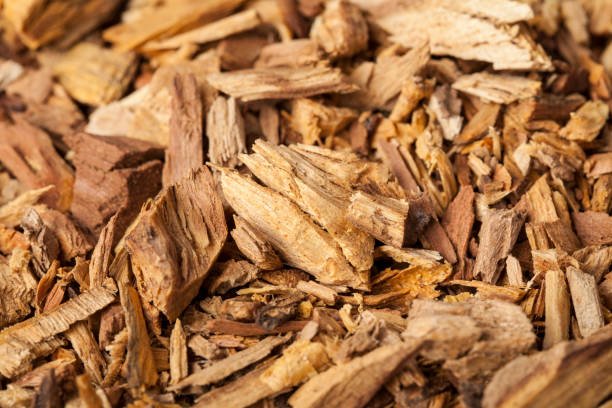
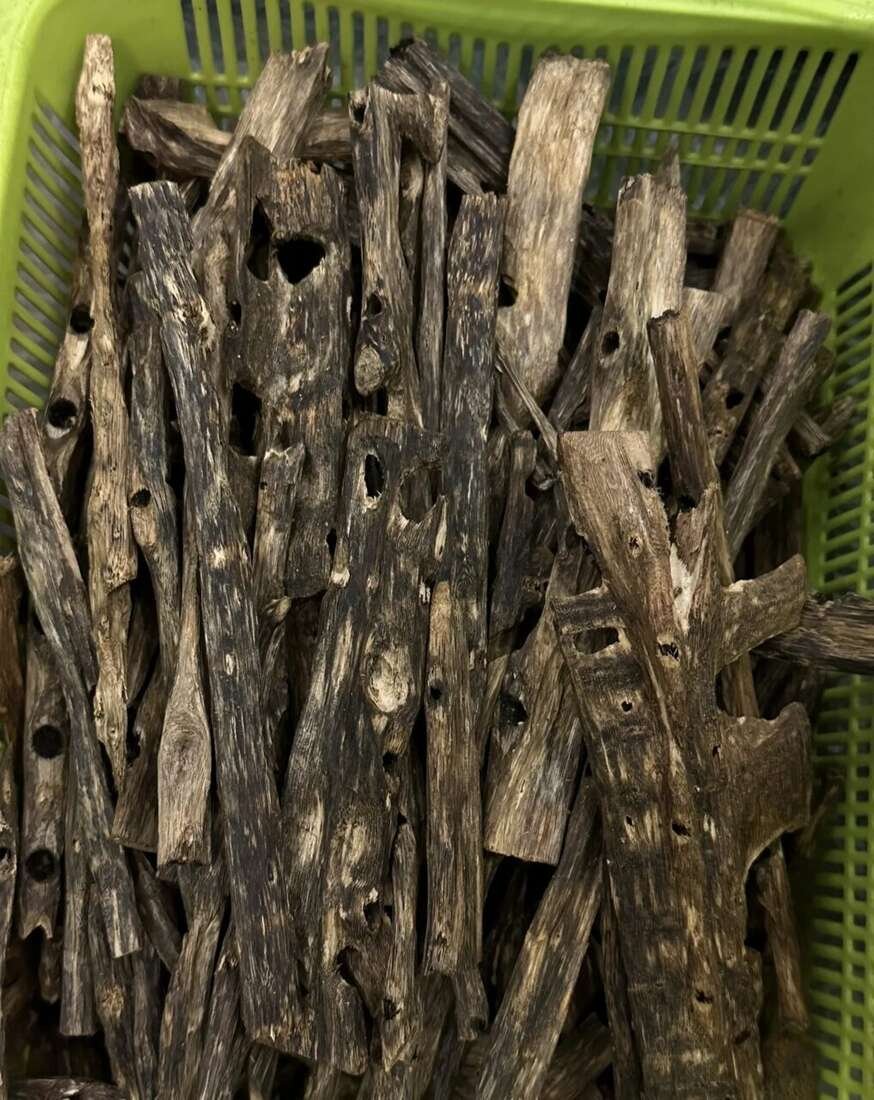
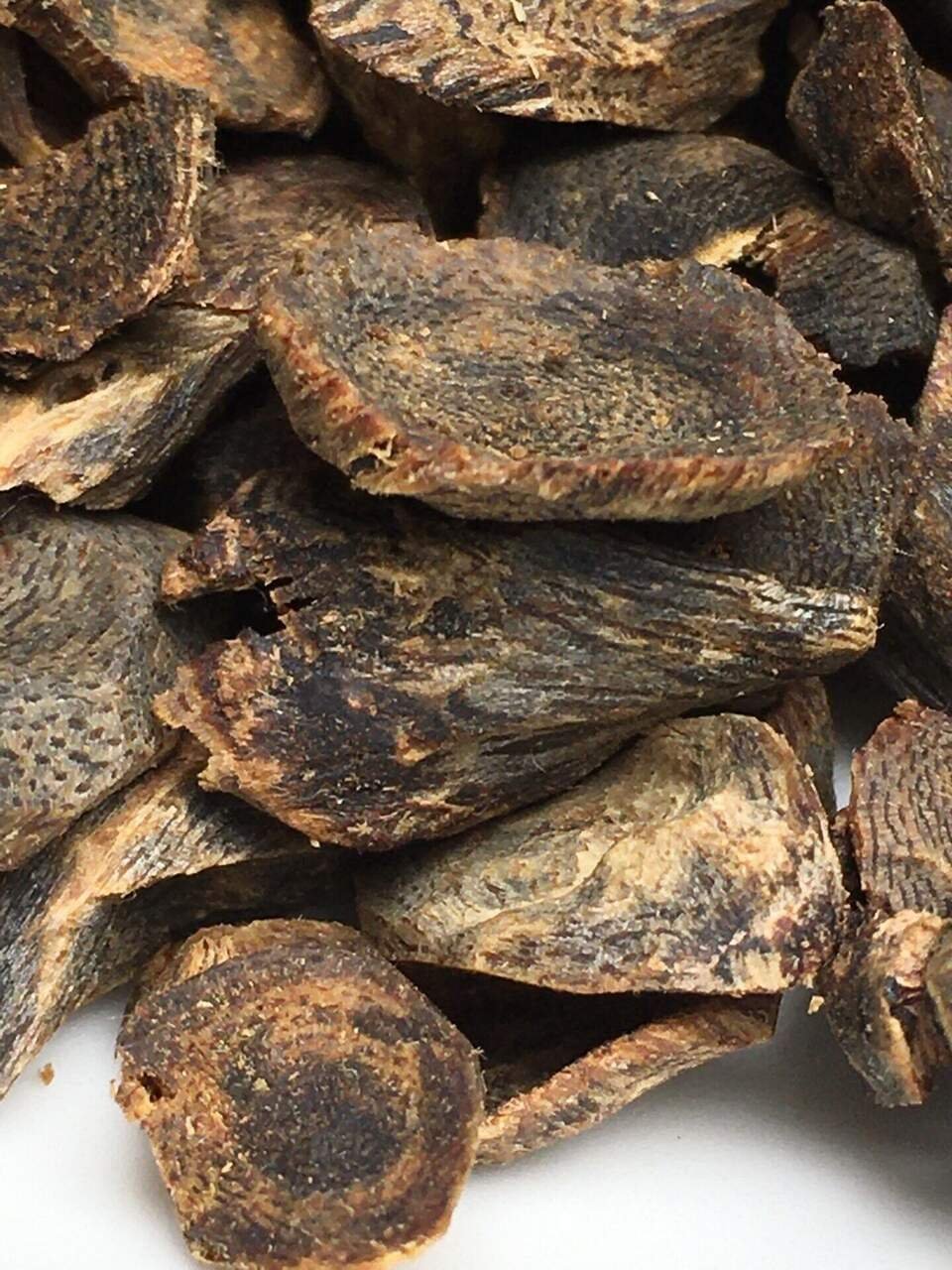
- 30 kg/year incense + 12 kg agarwood chips
- Timeline
- Annual purchase before Bon festival (July)
- MOQ
- 5 kg/year
0 Substitution Events
Three years of full-disclosure shipments — no priest has questioned a batch.
Annual Budget Lock
Pricing fixed each March for the following fiscal year — protects temple finance.
8 Temples Covered
Cooperative grew from 5 to 8 affiliated temples in year two.
⚠ What was hard
Our standard granule size (2–3 mm) was too fine for goma fires, which need 5–8 mm chunks for proper smoke duration. We added a custom screening pass — adds 2 days to lead time, but they accept it because the burn behaviour matches their tradition.
“Our master priest can identify substitution by smell — the previous supplier was caught within a quarter. Three years of clean, fully-disclosed shipments later, the cooperative has expanded from 5 temples to 8.”
— Rev. Y. Hayashi, Cooperative Procurement, Wakayama temple network
Ready to Write Your Own Success Story?
OEM production slots book ~6 weeks out. Wholesale stock ships in 5–7 business days. Tell us your case — product, volume, destination, launch window — and we reply within 24 hours with a specific quote and timeline.
We work with vetted buyers. New accounts are asked to share a company registration and intended market — this protects both parties and keeps our supply chain clean.