What Is Oud? A Plantation Grower's Guide to Agarwood, Its Forms and Grades
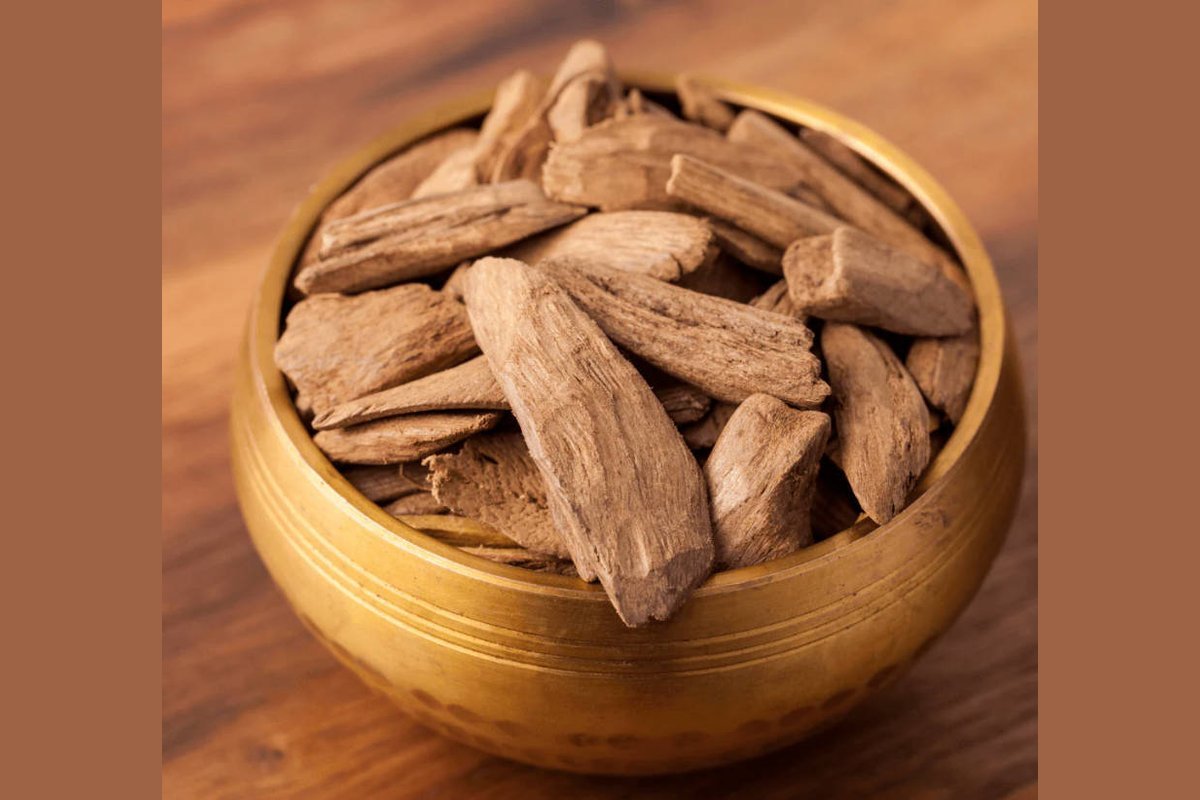
New buyers ask us one question more than any other, and it sounds simple. What is oud, exactly — a wood, an oil, a perfume note, or all three? The short answer is that oud is agarwood: the dark, resin-loaded heartwood that forms when an Aquilaria tree defends itself against injury and infection. Everything else — oud oil, bakhoor, incense sticks, beads — is made from that wood. This guide explains how the resin forms, the forms oud is sold in, how we grade it at our Dian Bai plantation, and what a first wholesale order involves.

Written by
Founder & Chief Sourcing Officer, AgarwoodTown
15+ years hands-on experience grading plantation agarwood, sourcing directly from Dianbai and Maoming districts in Guangdong — the world's largest Aquilaria sinensis cultivation region. Wang has personally inspected thousands of CITES export shipments and holds plantation certification from China's National Forestry and Grassland Administration. He advises GCC, European and East Asian wholesale buyers on grade selection, CITES compliance and supply chain due diligence.
CITES Certified
In this article
- What Is Oud? The Short Answer
- Oud Meaning: One Material, Many Names
- Oud the Wood, Not the Instrument
- How Does Oud Form Inside an Aquilaria Tree?
- Natural Formation vs Induced Formation
- What Is Oud Made Of? The Resin Chemistry
- From Plantation Tree to Graded Oud Chip
- What Forms Is Oud Sold In?
- Oud Wood vs Oud Oil
- Which Markets Buy Which Form
- Is the Oud in Perfume Real Oud?
- How Is Oud Graded?
- Reading a Grade on a Price List
- Is Oud Legal to Trade? CITES in Brief
- How to Start Buying Oud Wholesale
- Frequently Asked Questions
1. What Is Oud? The Short Answer
So, what is oud? It is resin-impregnated wood from trees of the genus Aquilaria, known in English as agarwood. The word comes from Arabic, where ʿūd simply means wood.[1]
Why is resinous agarwood scarce? According to Liu et al. (2013), only about 10% of Aquilaria trees form agarwood naturally; the rest stay pale, almost scentless wood unless they are wounded and infected.[7]
Healthy Aquilaria wood is pale, light and almost scentless. Oud only exists where the tree has been wounded and has filled the damaged tissue with dark aromatic resin. Therefore a mature tree can stand for decades and contain no oud at all.
That single fact explains most of the trade. Oud is scarce because it is a defence response, not a normal part of the wood. Moreover, the amount and quality of resin varies from tree to tree, and even from one side of a trunk to the other.
Oud Meaning: One Material, Many Names
The same material travels under many names. Gulf buyers say oud or oudh. Western catalogues often say agarwood or aloeswood, while Malaysian and Indonesian traders say gaharu.
In Japan it is jinkō, and the finest tier is called kyara. In China it is chén xiāng (沉香), literally "sinking fragrance", and the top tier is kynam (奇楠). In practice, an invoice, a CITES permit and a perfume label may all describe one product with three different words.
The spelling varies as much as the name. Oud, oudh and oodh are all Latin-letter versions of the same Arabic word, so "oudh meaning" and "oud meaning" point to the same answer: the wood. In perfume, the word has also come to mean a scent style, which is why we always ask buyers whether they mean wood, oil or a fragrance note.
For buyers, the name matters less than the species and the source. Our own stock is plantation Aquilaria sinensis, grown and inoculated at our 100+ mu plantation in Guan Zhu Town, Dian Bai District, Maoming, Guangdong. Our CITES export permits name the species, and any supplier should be able to state it just as plainly.
Oud the Wood, Not the Instrument
Search for oud and you will also meet the oud, a short-necked lute played across the Arab world, Turkey and Iran. The two share one Arabic word, ʿūd, which simply means wood. This guide is about the fragrant wood.
Where that wood is valued most, it is used in a few traditional ways. Chips are heated in a burner to scent rooms, clothes and hair before guests arrive. The oil is dabbed neat on the skin as a perfume. In East Asia, thin slivers are warmed in incense ceremonies, while dense pieces are carved or turned into prayer beads. Our agarwood uses guide covers each form in detail.
2. How Does Oud Form Inside an Aquilaria Tree?
Oud forms when an Aquilaria tree is injured and microbes, mainly fungi, enter the wound. The tree responds by producing aromatic resin that saturates the surrounding wood and darkens it.[2]
The trigger can be lightning, a broken branch, insect boring or a deliberate cut. However, the wound alone is not enough. The resin builds up slowly over months and years, and the zone it occupies is often narrow and irregular.
This is why oud wood rarely looks uniform. A single chip may show black resin veins, brown transition zones and pale wood that never reacted. Graders spend most of their time reading that pattern.
Natural Formation vs Induced Formation
Historically, all oud came from wild trees that had formed resin by chance. Collectors cut many trees to find the few that held resin, which is one reason wild Aquilaria populations declined across Asia.[3]
Plantations changed the supply side. Growers now wound cultivated trees on purpose, by drilling, by inserting inoculants, or by infusing a whole tree, so that resin forms in a planned way.[2] At our plantation we use artificial inoculation on our own trees and buy from more than 100 contracted plantation farmers.
We sell plantation material only. Wild oud still appears on the market, but it carries origin questions that plantation stock avoids. For the cost side of that choice, our guide to wild vs cultivated agarwood prices sets out the trade-offs, and our cultivated agarwood tree guide covers how plantation trees mature.
What Is Oud Made Of? The Resin Chemistry
Chemically, oud resin is a complex mix. The dominant groups are sesquiterpenes and 2-(2-phenylethyl)chromones, and published analyses list a long catalogue of further volatile compounds across Aquilaria samples.[4]
That complexity is why oud smells different from batch to batch. It also explains why no single synthetic molecule reproduces it. Consequently, when buyers ask for lab support, we provide GC-MS reports on request for our oils.

Step-by-Step Process
3. From Plantation Tree to Graded Oud Chip
Grow the tree to working size
Aquilaria sinensis needs several years of growth before inoculation makes sense, because a thin trunk has little wood to hold resin. Timing varies with soil, spacing and climate, so growers usually judge each block by trunk size rather than by a fixed calendar.
Wound and inoculate the trunk
We drill or cut the trunk and introduce an inoculant so that the tree starts its defence response. The method and the pattern of wounds shape where resin forms and how far it spreads through the wood.
Let the resin build
The tree then deposits resin around each wound. This stage cannot be rushed: a longer formation period generally gives darker, denser wood, while an early harvest gives lighter material suited to entry grades.
Harvest and remove the pale wood
After felling, workers cut the trunk into sections and carve away the white, unresinated wood by hand. What remains is the dark material that buyers call oud wood, together with offcuts that still carry some resin.
Grade and route each piece
Founder Wang Jianyu and our grading team sort pieces by visual inspection, aroma, resin content and sink test. In the trade, larger pieces typically become chips, beads or carvings, while smaller pieces and offcuts go to distillation, powder or incense.
Process into the final form
We distil oil in-house by steam and hydro distillation and also produce supercritical CO₂ oil. Across all lines, our team of 50+ staff processes more than 20 tons of agarwood material a month and produces around 500 kg of oud oil a year.
4. What Forms Is Oud Sold In?
| Form | What it is | Typical buyer | Our starting price · MOQ |
|---|---|---|---|
| Oud wood chips | Graded pieces of resinated wood, burned on charcoal or an electric heater | Gulf retailers, collectors, incense makers | From $0.24/g · MOQ 100 g · grades D–AAA |
| Hydro-distilled oud oil | Oil distilled from soaked, ground wood with water and steam | Attar houses, perfumers | From $7.00/g · MOQ 10 g |
| CO₂ agarwood oil | Oil extracted with supercritical carbon dioxide at low temperature | Natural perfumery, cosmetics formulators | From $1.50/g · MOQ 10 g |
| Bakhoor chips | Wood chips soaked or blended with oils and aromatics | GCC hospitality and home fragrance | From $6/g · MOQ 250 g |
| Incense sticks | Agarwood powder sticks, cored or coreless | Retail, temple and gift lines | From $2.35–$5.89 per box · MOQ 1 kg |
| Japanese-style koh incense | Pressed agarwood incense in the Japanese tradition | Kōdō and koh makers | From $6/g · MOQ 100 g |
| Agarwood powder | Milled wood for incense, cones and blends | Incense manufacturers | From $10.30 per 50 g |
| Beads and bracelets | Turned resinated wood, sold by weight | Jewellery and gift retail | From $18/g |
| Carvings and logs | Sculpted pieces and whole resinated sections | Collectors, display buyers | Carvings from $98/piece (MOQ 5) · logs from $88/piece |
Starting prices are current wholesale list prices in USD and rise with grade. MOQ = minimum order quantity per product line.
Each form starts from the same raw wood, but each uses a different slice of the harvest. Solid, well-resinated pieces earn the most as chips, beads or carvings. Thinner material and offcuts deliver more value through distillation or powder.
For example, a wholesale buyer of graded oud wood chips is paying for intact pieces you can inspect by eye. A buyer of oil is paying for what the still can pull out of material that would never sell whole.
Oud Wood vs Oud Oil
Oud wood is burned or heated, and its scent comes off as smoke or warm vapour. Oud oil is the concentrated aromatic fraction, worn on skin or used as a perfume ingredient. Both are real oud; they simply suit different buyers.
Within oil there is a further split. Our hydro-distilled oud oil follows the traditional route, with water and steam carrying the aromatics out of soaked wood. By contrast, our supercritical CO₂ agarwood oil uses low-temperature extraction and gives a different, often brighter profile.
Neither method is universally better. We explain the extraction differences in detail in our oud oil extraction guide, so here we keep to the basic distinction.
Which Markets Buy Which Form
Demand follows culture, and each region buys a different product. Gulf buyers in Saudi Arabia and the UAE take chips and bakhoor for majlis and home use, burned in a mabkhara for hospitality.
Japanese buyers want small, precisely graded pieces for kōdō, the incense ceremony, and for pressed koh incense. Meanwhile, Chinese domestic buyers focus on bracelets, carvings and sinking-grade (沉水) pieces, while European and American perfumers mainly buy oil.
We supply 500+ B2B buyers in 10+ countries, and their needs vary widely by market. A useful first conversation with any supplier is about which form fits your market, not about price.


5. Is the Oud in Perfume Real Oud?
| Feature | Natural oud (agarwood) | Synthetic "oud" accord |
|---|---|---|
| Source | Resinated Aquilaria wood, distilled or extracted | Blend of aroma chemicals built to suggest oud |
| Scent | Complex and variable; shifts with grade, species and batch | Consistent, usually simpler and more linear |
| Cost | High; oil from $1.50/g (CO₂) or $7.00/g (hydro) at our list prices | Low, which is why mass-market perfumes rely on it |
| Lab profile | Sesquiterpenes and chromones typical of agarwood | Few or none of the agarwood marker compounds |
| CITES paperwork | Aquilaria is listed in Appendix II; bulk wood and oil may need permits | Not a CITES matter, since no agarwood is involved |
| Label claim | Can honestly state agarwood or Aquilaria oil | Should not claim agarwood content |
Many people first meet the word oud on a perfume bottle, not in a piece of wood. However, a large share of fragrances labelled "oud" contain a synthetic accord with little or no agarwood in it.
That is not a scandal; it is a cost reality. Natural oud oil is expensive and variable, while an accord is cheap and repeatable. The issue arises only when a label implies natural content the product does not have.
For a B2B buyer, the practical takeaway is simple. If your product claims real oud, buy documented agarwood oil and keep the paperwork. If you only need the impression of oud, an accord may serve, but you should label it honestly.
6. How Is Oud Graded?
| Grade | What we see on the grading table | Common uses |
|---|---|---|
| D | Mostly pale wood with thin, scattered resin lines; light aroma when heated | Entry-tier chips, powder, incense, distillation feedstock |
| C | Clearer resin streaks over part of the piece; moderate aroma | Everyday bakhoor, mid-market chips, incense |
| B | Resin across much of the piece; noticeably richer, longer aroma | Specialist retail chips, better oils, beads |
| A | Dark, dense resin through most of the piece; deep and layered aroma | Premium chips, bracelets, gifting |
| AAA | Near-solid resin, heavy in the hand, many pieces sink in water | Collector and ceremonial lots, top-tier beads |
| Kynam (奇楠) | Soft, waxy resin with a distinctive cool, sweet note | Allocation only, quoted per enquiry |
This is AgarwoodTown's internal grading scale. It is not an ISO or CITES standard, and other suppliers and countries grade differently.
Oud is graded by eye, by nose and by weight. We use four tests on every lot: visual inspection, aroma when heated, resin content and the sink test. Academic reviews of agarwood grading describe a similar mix of sensory and physical criteria.[5]
The sink test works because resin is denser than the pale wood around it. A heavily resinated piece can sink in water, which is where the Chinese term for sinking-grade comes from. Nevertheless, sinking alone proves density, not origin or scent quality.
Reading a Grade on a Price List
No global standard ties a letter grade to a fixed amount of resin. Therefore "Grade A" from one supplier and "Grade A" from another can describe quite different wood.
The safest approach is to treat any grade as a label that the sample must confirm. For that reason, every wholesale shipment from us carries a grading note or certificate, so the grade on the invoice matches what we graded.
Price follows grade steeply. Our oud wood chips start from $0.24/g at entry grades and rise considerably through the scale, while Kynam-tier pieces are not stock-held at all.
7. Is Oud Legal to Trade? CITES in Brief
Yes, oud is legal to trade, but it is regulated. All Aquilaria species have been listed in CITES Appendix II since 2004, which means international trade needs documents showing the material was obtained legally and sustainably.[6]
- Export permits: we ship every wholesale order with a CITES Appendix II export permit wherever one is required.
- Annotation #14: the listing carries an annotation that exempts some finished, retail-packaged products. Check the current annotation text before you plan a shipment, because annotations change at CITES meetings.
- Chips and beads: loose wood and bead products may still need permits even in small quantities, so do not assume a small parcel is exempt.
- Your side: some importing countries add their own rules on top of CITES, including the EU. Confirm import requirements with your national CITES authority.
- Live plants: seedlings travel with a phytosanitary certificate as well.
Step-by-Step Process
8. How to Start Buying Oud Wholesale
Decide on the form and the market
Start with your customer, not with the wood. Chips and bakhoor suit Gulf-style retail, oils suit perfumery, and incense or powder suit manufacturers. The form you choose sets your grade range, MOQ and paperwork.
Order a paid sample
Samples start from 100 g of chips or 1 g of oil. They are paid and non-refundable, and they let you check aroma, appearance and burn behaviour against your own reference before you commit to volume.
Agree the grade and the documents
Fix the grade in writing and ask for the grading note that will travel with the goods. For oil, ask for a GC-MS report if your customers or regulators expect lab data. Confirm which permits your shipment needs.
Confirm MOQ and price
Our MOQs are deliberately low for a first order: 10 g for oils, 100 g for chips, 250 g for bakhoor chips and 1 kg for incense sticks. Price depends on grade, so quote requests should state the grade and quantity you have in mind.
Ship with paperwork and inspect on arrival
We arrange the CITES export permit where required; ask for copies before dispatch if your importer needs them. When goods arrive, compare them with your sample. We do not accept returns, but we resolve genuine problems by replacement or credit.
Ready to evaluate real plantation oud?
Tell us your market, the form you need and your target grade, and we will suggest a sample set. We reply to enquiries within 4 business hours, Monday to Saturday, 9:00–18:00 China time.
Request a sample and wholesale quote → or read our replacement and credit policy before you order. Buyers who want a cheaper entry point can also start with our agarwood incense sticks range.
Frequently Asked Questions
Oud is agarwood: the dark, fragrant heartwood that forms when an Aquilaria tree is wounded and infected, and responds by filling the damaged wood with resin. The word comes from the Arabic for wood. Oud oil, bakhoor, oud chips and agarwood incense are all products made from that resinated wood.
It is both, depending on who is speaking. Strictly, oud is the resinated wood itself, and buyers burn it as chips or wear it as beads. However, many perfumers use the word oud for the oil distilled or extracted from that wood. When you place an order, always specify whether you need wood or oil.
Oud comes mainly from trees in the genus Aquilaria, which grow across South and Southeast Asia and southern China. Related trees in the genus Gyrinops also produce it. Our own stock is plantation Aquilaria sinensis, grown and inoculated in Dian Bai, Guangdong, and we name that species on our export documents.
Oud is a defence response, so a healthy tree contains none. Even on plantations, resin takes years to build up after inoculation, and a large share of every harvested trunk is pale wood with little value. Grading by hand is slow. Finally, CITES paperwork and careful processing add cost at every step.
No. Oud resin contains a complex mixture of sesquiterpenes and chromones, and the balance changes with species, region, grade and processing. Burning chips gives a different impression from wearing oil, and hydro-distilled oil differs from CO₂-extracted oil. That variation is why we always recommend a paid sample before volume orders.
Yes. Plantation oud forms through the same defence response as wild oud; the difference is that growers start the process deliberately by wounding and inoculating the tree. Scent and density can differ from old wild material, and grade still matters. We sell plantation material only, and the CITES export permit names the species.
Start with appearance and aroma: real oud shows natural resin veins and smells when gently heated, not only when soaked in oil. A sink test shows density but not authenticity on its own. For a wholesale purchase, ask for a grading note, CITES documents and, for oil, a GC-MS report.
Often, yes. Aquilaria is listed in CITES Appendix II, so many international shipments of chips, logs, beads and bulk oil need an export permit. Annotation #14 exempts some retail-packaged finished products, so check the current annotation text. Your own country may add import rules, so confirm with your national CITES authority.
Our MOQs depend on the product. Oud wood chips start at 100 g, hydro-distilled and CO₂ oils at 10 g, bakhoor chips at 250 g, and incense sticks at 1 kg. Paid, non-refundable samples start from 100 g of chips or 1 g of oil, so you can test grade before ordering.
Kynam, called kyara in Japan, is the rarest tier of agarwood. It is softer and waxier than ordinary oud and has a distinctive cool, sweet note when heated. In our grading scale it sits above AAA. We do not hold it as stock; instead, we allocate kynam pieces and quote them per enquiry.
In perfume, oudh or oud usually names a scent style: woody, resinous, slightly smoky and sometimes animalic. It may come from real agarwood oil or from a synthetic accord built to suggest it. The word alone does not prove natural content, so we advise brands to write agarwood oil or the Aquilaria species on the ingredient list when the oil is real.
References
- 1
- 2Tan C.S., Isa N., Ismail I., Zainal Z.. Agarwood Induction: Current Developments and Future Perspectives. Frontiers in Plant Science, 2019.View source
- 3FAO Forestry. Agarwood (Non-Wood Forest Products). Food and Agriculture Organization, 2004.View source
- 4Naef R.. The volatile and semi-volatile constituents of agarwood, the infected heartwood of Aquilaria species: a review. Flavour and Fragrance Journal, 2011.View source
- 5Liu Y.Y., Wei J.H., Gao Z.H., et al.. A Review of Quality Assessment and Grading for Agarwood. Chinese Herbal Medicines, 2017.View source
- 6
- 7Liu Y., Chen H., Yang Y., et al.. Whole-tree agarwood-inducing technique: an efficient novel technique for producing high-quality agarwood in cultivated Aquilaria sinensis trees. Molecules, 2013.View source
All scientific references are provided for transparency. AgarwoodTown summarises peer-reviewed findings for educational purposes and does not claim to provide medical or regulatory advice.
Wholesale Catalog
Buy the products discussed in this article


Related Articles
Source Direct from Origin
Discuss Your Requirements with Our Team
We respond within 24 hours. Share your target grade, quantity and destination — we'll send current pricing, a sample pack option, and CITES documentation details.